
Kratom Testing Explained: Why Microbial Safety Matters More Than Potency Numbers
Go beyond potency numbers. Learn why microbial screening, heavy metals, batch identification and readable lab reports matter when comparing kratom.
On this page
When shopping for kratom, you’ll often see big, bold claims about alkaloid percentages, “ultra-high potency,” or lab results showing impressive mitragynine numbers. But here’s something most consumers don’t realize:
Potency means nothing if the product isn’t safe.
At Panacea Natural, we believe that lab tested kratom should prioritize microbial safety first, not flashy numbers designed to sell product. In this article, we’ll explain how kratom testing really works, what matters most, and why microbial testing is the foundation of responsible kratom manufacturing.
Watch the companion video
What Does “Lab Tested Kratom” Actually Mean?
The phrase lab tested kratom gets used a lot, but not all testing is created equal.
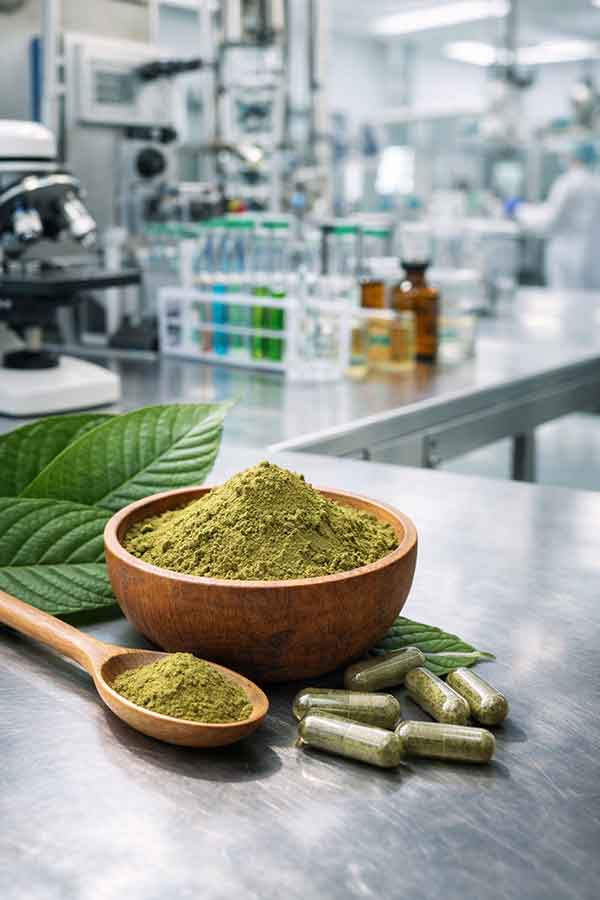
At its core, lab testing means sending kratom samples to an independent, third-party laboratory to verify quality and safety. However, what is being tested makes all the difference.
There are two broad categories of kratom testing:
- Safety testing (microbes, pathogens, contaminants)
- Analytical testing (alkaloids like mitragynine)
While both have value, safety testing should always come first.
Why Kratom Is Vulnerable to Microbial Contamination
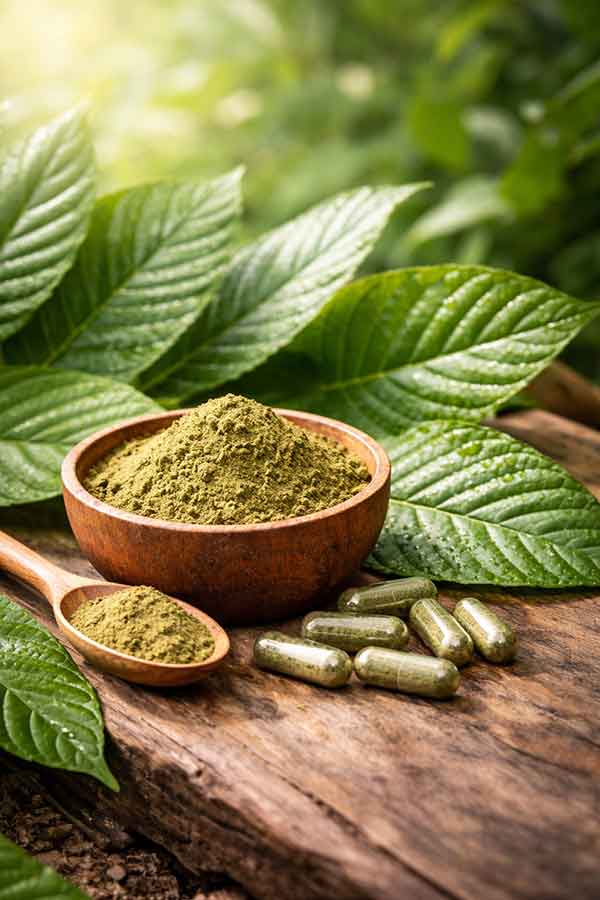
Kratom is an agricultural product. It starts as a leaf grown outdoors in a tropical environment, often harvested by hand and dried in open-air conditions.
This makes kratom naturally susceptible to:
- Bacteria
- Mold
- Yeast
- Environmental contaminants
If proper controls aren’t in place, unsafe microbes can survive drying, grinding, and packaging. This is why microbial testing is non-negotiable for any responsible kratom vendor.
The Most Important Tests for Lab Tested Kratom
When evaluating lab tested kratom, these are the critical microbial tests that actually protect consumers:
- Total Aerobic Plate Count (APC)
- Measures overall bacterial load. High counts indicate poor sanitation or handling.
- Yeast and Mold
- Important for shelf stability and respiratory safety.
- Pathogen Screening
This typically includes:
- Salmonella
- E. coli
- Staphylococcus aureus
These pathogens are not theoretical. They have been found in improperly handled botanical products before, which is why testing matters.
Why Potency Testing Is Often Overemphasized
Potency testing focuses on alkaloids, primarily mitragynine. While this information can be interesting, it is often misunderstood or misused in marketing.
Here’s why potency numbers can be misleading:
- Natural kratom varies by batch and harvest
- Alkaloid percentages fluctuate naturally
- High numbers do not equal better quality
- Potency does not reflect safety or cleanliness
In some cases, vendors prioritize alkaloid results because they look good on a product page, even if microbial testing is minimal or skipped entirely.
Microbial Safety vs Marketing Numbers
Imagine two kratom products:
- Product A: High mitragynine percentage, minimal microbial testing
- Product B: Moderate alkaloid levels, fully screened for pathogens and microbes
Product B is the safer, more responsible choice.
At Panacea Natural, we believe that lab tested kratom should protect customers first, not chase exaggerated potency claims.
What Responsible Kratom Testing Looks Like
True lab tested kratom follows a structured approach:
Raw Material Testing
Incoming kratom is tested for microbial safety before production.
Controlled Handling
Clean equipment, proper storage, and documented procedures reduce risk.
Finished Product Testing
Final packaged products are tested again to confirm safety.
This process ensures that what reaches the customer is not only consistent, but safe.
Why Microbial Testing Aligns With cGMP Standards
Current Good Manufacturing Practices (cGMP) exist to protect consumers. For botanical products like kratom, microbial testing is a core expectation.
Organizations like the American Kratom Association (AKA) emphasize:
- Sanitation controls
- Pathogen prevention
- Documentation and traceabilityThis is why microbial testing is a cornerstone of AKA Qualified Vendor Program compliance.
The Problem With “Ultra-Strong” Kratom Claims
Terms like “ultra,” “extreme,” or “super potent” are marketing language, not safety standards.
In some cases, unusually high alkaloid results can raise questions:
- Was the product altered?
- Was it blended with concentrates?
- Was the testing cherry-picked?Responsible vendors focus on natural, whole-leaf kratom, tested for safety rather than manipulated for numbers.
How to Verify Truly Lab Tested Kratom
If you’re evaluating a kratom brand, ask these questions:
- Do they test for microbes and pathogens?
- Are Certificates of Analysis available?
- Are tests conducted by independent labs?
- Is testing done on finished products, not just raw material?Transparency matters. Real lab tested kratom doesn’t hide behind buzzwords.
Our Philosophy at Panacea Natural
At Panacea Natural, we don’t chase the highest alkaloid numbers. We focus on:
- Microbial safety
- Clean handling
- Independent lab verification
- Responsible sourcing
- Honest labelingWe believe kratom should be treated like the botanical product it is, with respect for both the plant and the people who use it.
Final Thoughts: Safety First, Always
Potency can fluctuate. Marketing trends change. But safety is non-negotiable.
When choosing lab tested kratom, prioritize vendors who emphasize microbial testing, transparency, and proper manufacturing practices over flashy numbers.
That’s not just good business. It’s the right thing to do.
Frequently Asked Questions
What does “lab tested kratom” really mean?
Lab tested kratom refers to kratom products that have been analyzed by an independent, third-party laboratory. Proper testing verifies safety and quality, including screening for microbes, pathogens, and other potential contaminants. Simply claiming “lab tested” without transparency or documentation does not guarantee safety.
Why is microbial testing important for kratom?
Kratom is a natural leaf harvested in tropical environments, which makes it vulnerable to bacteria, yeast, and mold. Microbial testing ensures that the product is free from harmful organisms like Salmonella or E. coli, protecting consumers from avoidable health risks.
What microbes are typically tested for in lab tested kratom?
Responsible kratom testing commonly includes total aerobic plate count, yeast and mold, and pathogen screening for organisms such as Salmonella and E. coli. These tests help confirm that the product meets basic safety standards.
Is potency testing the same as safety testing?
No. Potency testing measures alkaloid content such as mitragynine, while safety testing focuses on microbial contamination and pathogens. Potency numbers do not indicate whether kratom is clean or safe to consume. Microbial safety should always come first when evaluating lab tested kratom.
Should kratom be tested before and after packaging?
Yes. Raw kratom should be tested when it is received, and finished products should be tested again after processing and packaging. This helps ensure that no contamination occurs during handling and that the final product is safe for consumers.
How can I tell if a kratom company actually tests its products?
Look for access to Certificates of Analysis (COAs), clear explanations of what is tested, and confirmation that testing is done by independent third-party labs. Reputable companies are transparent about their lab testing practices and do not rely on vague claims.
Why does Panacea Natural focus on microbial safety over high potency claims?
Panacea Natural believes that lab tested kratom should prioritize consumer safety, not exaggerated marketing numbers. Microbial safety, clean handling, and responsible sourcing are more important than chasing unusually high alkaloid percentages that do not reflect product quality or safety.