
Is Kratom Relaxing or Energizing? What the Research Says
Why do people describe kratom as both relaxing and energizing? See what human studies have found and how much a product label can tell you.
On this page
Is kratom relaxing or energizing? People have reported both. Some describe feeling more alert or energetic, while others describe relaxation or drowsiness. Human studies are still limited, and they don’t give us a reliable way to predict how a particular person will respond. NIH overview of kratom effects
What people mean by stimulating or sedating effects
People use “energizing” to describe experiences such as feeling more awake or alert. They use “relaxing” for a different set of experiences, which can include feeling calm or sleepy. Reported effects also include rapid heart rate and confusion. Those reactions matter when interpreting a description that focuses only on how someone felt. NIH summary of reported effects
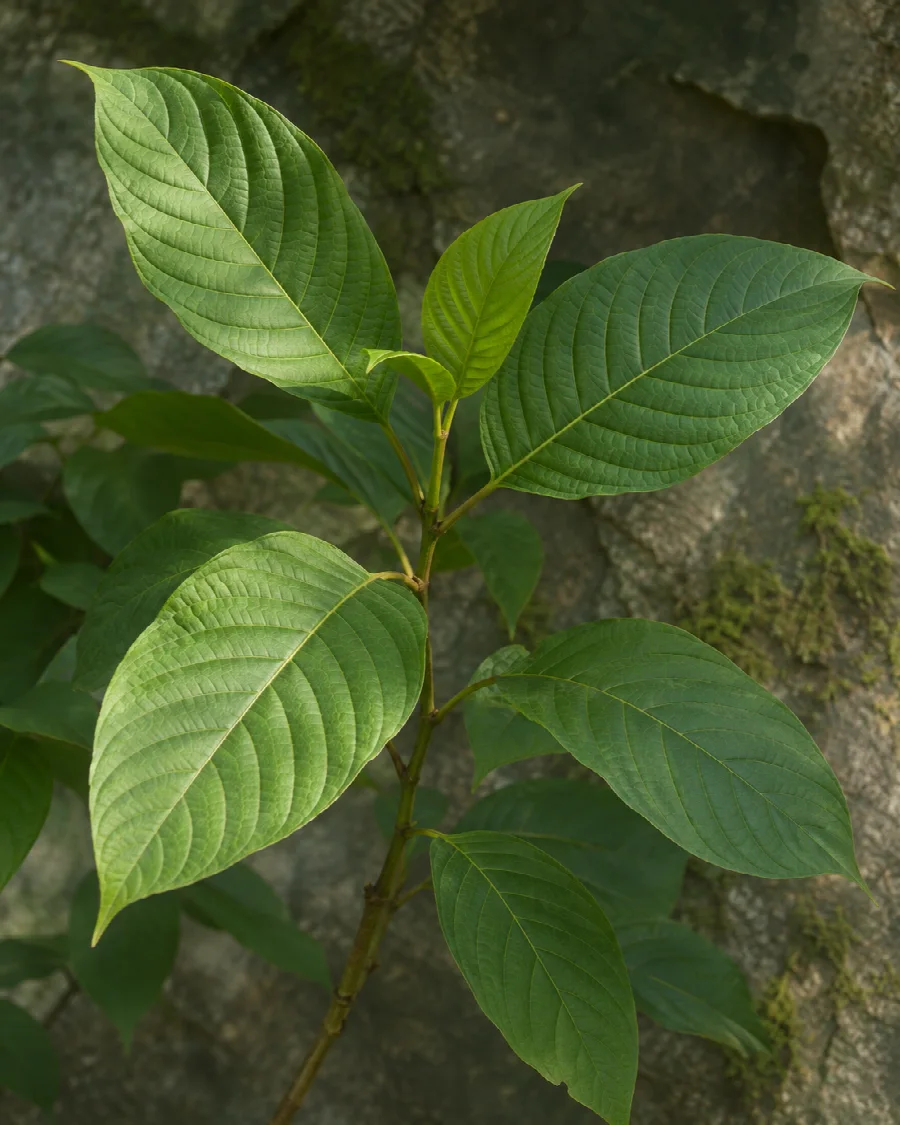
Kratom comes from the leaves of Mitragyna speciosa, a tree native to Southeast Asia. Two of its naturally occurring compounds, mitragynine and 7-hydroxymitragynine, interact with opioid receptors. Mitragynine also acts on other signaling systems. Researchers are still studying how those actions relate to the range of effects people report. FDA overview of kratom research
What human studies tell us about kratom effects
In a 2024 study, adults logged how they felt after using their own kratom products in daily life. The researchers analyzed samples from participants and compared their composition with the effects people recorded. Participants chose their own products and amounts, so the researchers called for controlled studies to clarify which compounds contribute to which effects. 2024 study of real-world kratom use
A 2026 controlled pilot studied one botanical kratom preparation in adults with prior opioid experience. Researchers observed some opioid-like effects, and drowsiness was among the most commonly reported adverse events. The authors cautioned that findings from that preparation may differ for other products. 2026 controlled pilot study
Can a kratom strain name predict how it will feel?
Red, green and white are common names on kratom labels. In a small study of commercially available products, researchers found no significant differences in the alkaloids they measured across the color groups they sampled. A label color alone gives readers little basis for predicting whether a product will feel relaxing or stimulating. Study of kratom color labels
A lot-specific certificate of analysis can tell you what a lab measured in a sample. That’s useful for checking product composition and understanding the scope of the tests. For an example, see our guide to reading a kratom lab report.
What are the safety concerns?
FDA advises consumers against using kratom and cites risks that include seizures, liver toxicity and substance use disorder. The agency reports that there are no FDA-approved kratom drugs. If you have questions about medication interactions or effects you’re experiencing, speak with a qualified health care professional. FDA safety information
For help checking the report for a specific package, read what kratom lab tests can tell you.