
Chuchuhuasi Bark: Traditional Uses and Research
Learn what chuchuhuasi bark research has found, how scientists identify the tree, and why traditional reports and animal studies answer different questions.
On this page
Chuchuhuasi bark has a history of use in parts of the Amazon region. Researchers have documented these traditions and studied extracts of the plant in the laboratory. Controlled studies in people have yet to establish health benefits. Understanding which species, plant part, and preparation a study used helps put its findings in context.
Which plant does chuchuhuasi refer to?
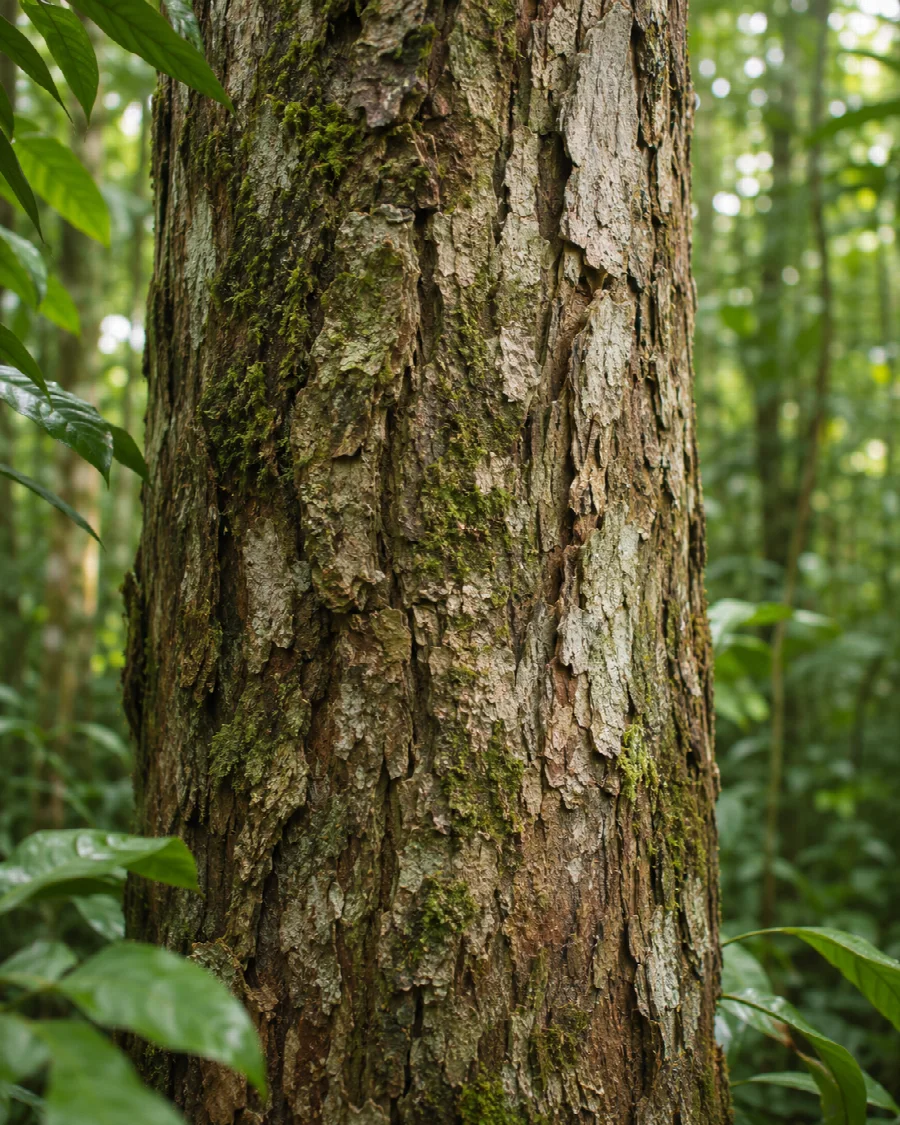
One species discussed under the name chuchuhuasi is Maytenus macrocarpa. Some publications use Monteverdia macrocarpa for the same species. Look for the scientific name when matching a study to the plant named on a label. Kew botanical name record
What traditional-use studies document
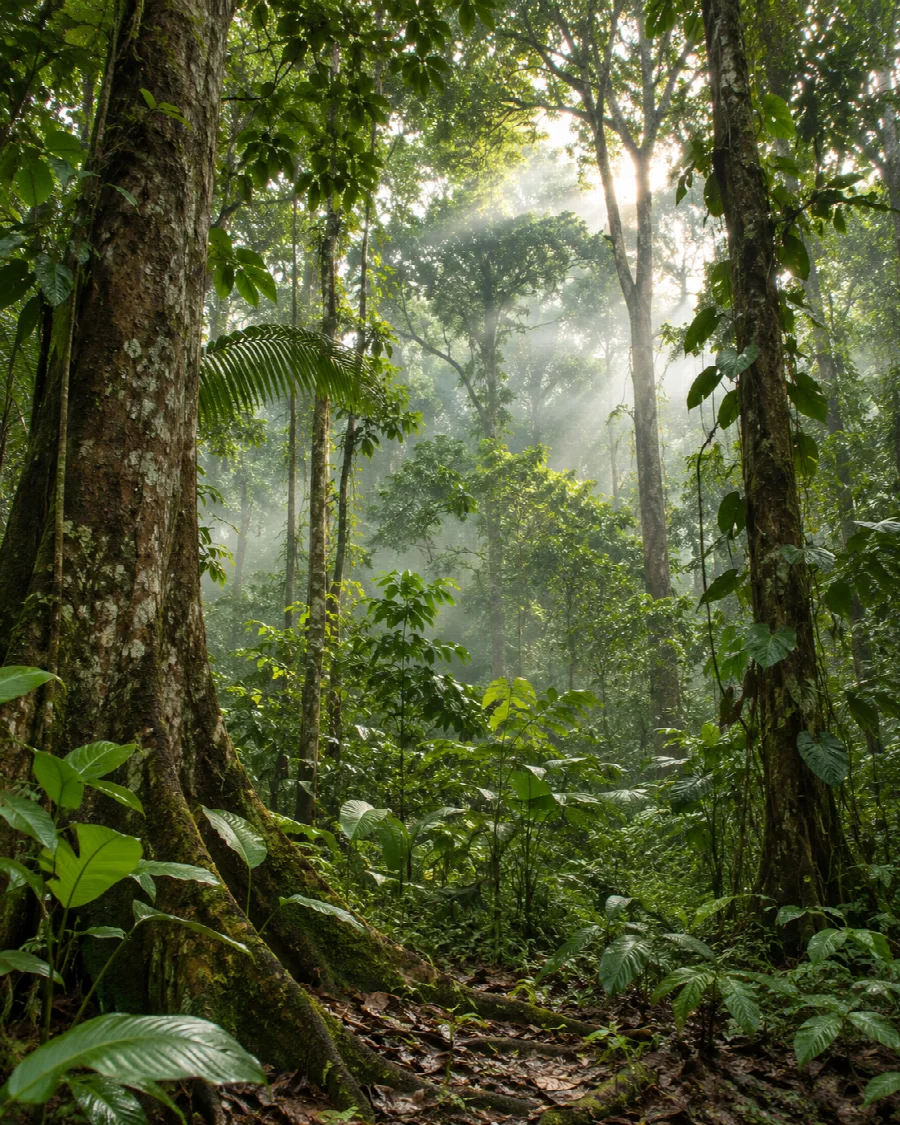
A 2020 study interviewed ten traditional healers in Santa María de Huachipa, Peru, about their experiences with chuchuhuasi. The interviews recorded the preparations and uses those practitioners described. Interview research can document a local practice and help frame research questions. A clinical trial would be needed to test whether a preparation improves health outcomes. Read the interview study
What laboratory studies can tell us about the bark
Researchers have studied different parts of the tree, including the bark and leaves. A published experiment tested a leaf extract in mice, for example. An experiment with a leaf extract answers a question about that specific preparation in that setting. Human research on a clearly identified bark preparation is needed to evaluate its effects and safety. Read the leaf extract study
How to read a chuchuhuasi claim
Start with the scientific name and plant part. Look at how the material was prepared, what the researchers measured, and whether the study involved people, animals, or laboratory cells. This matters for safety as well as benefits. If you take medication, a pharmacist or clinician can help review a product’s ingredients and any known interactions.
See how researchers document plant traditions in our article on rainforests and medicinal plant research.