
How Rainforest Plants Contribute to Modern Medicine
Follow cinchona and jaborandi from tropical forests to modern medicine, and see how plant research, traditional knowledge and conservation connect.
On this page
Rainforest plants have contributed compounds to modern medicine, including quinine from cinchona bark and pilocarpine from jaborandi leaves. These examples show how knowledge of a plant can guide research into a specific compound, and how researchers test that compound for a particular use.
Which medicines came from tropical forest plants?
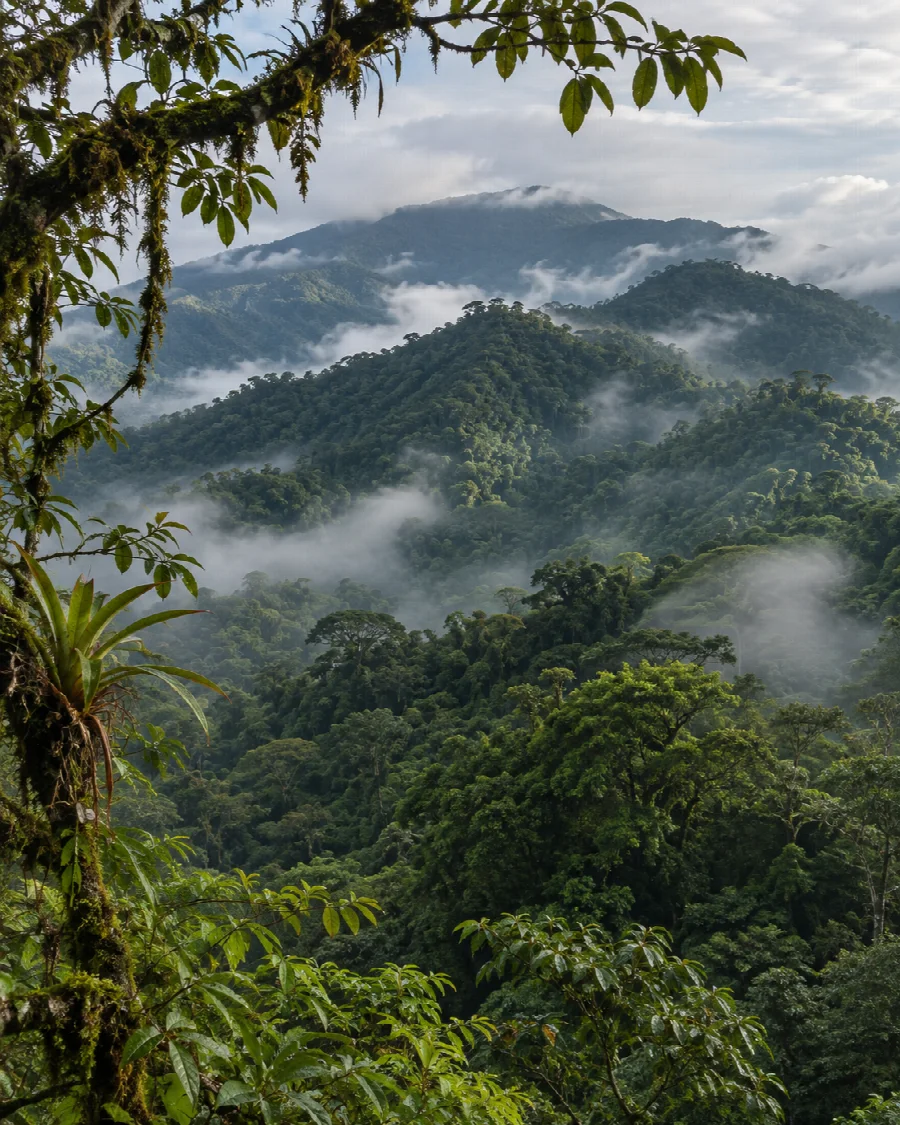
Cinchona and quinine. Cinchona trees grow in tropical mountain forests in the Americas. Royal Botanic Gardens, Kew credits Quechua, Cañari and Chimú peoples of the Andes with early knowledge of the bark’s medicinal properties. Quinine, a compound isolated from the bark, became an important treatment in the history of malaria. Kew’s account of cinchona
Jaborandi and pilocarpine. Jaborandi (Pilocarpus microphyllus) occurs in parts of tropical Brazil, including the eastern Amazon. Its leaves contain pilocarpine. Prescription eye drops formulated with pilocarpine hydrochloride are used to lower elevated eye pressure in people with open-angle glaucoma or ocular hypertension. Study of pilocarpine in jaborandi · Prescription drug label
How do researchers turn a plant compound into a medicine?
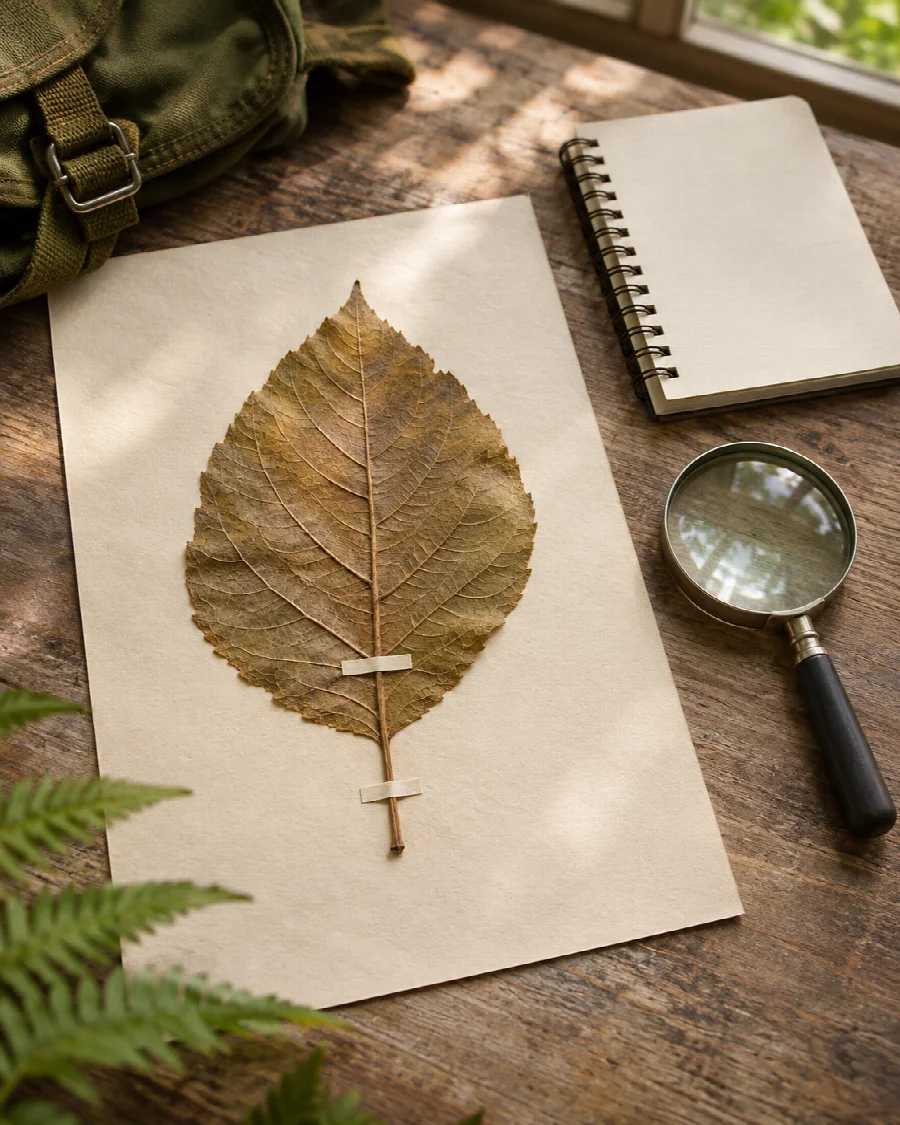
Researchers can start with a plant documented in traditional use or with samples from a natural products collection. They identify compounds and look for activity in laboratory tests. If a compound shows promise, further studies examine how it behaves and whether it warrants testing in people. Clinical trials evaluate a specific formulation for a specific use, including its benefits and risks. National Cancer Institute natural products program · FDA overview of drug development
That distinction also matters when reading about botanicals. A lab test can identify compounds in a sample. A clinical study asks how a specific preparation affects people. For an example of what a sample report can establish, see our guide to botanical lab reports.
What role does Indigenous plant knowledge play?
Knowledge about where plants grow and how communities have used them can inform research questions. Communities that hold this knowledge have a role in deciding how it is shared. The Nagoya Protocol calls on participating countries, in accordance with domestic law, to address community consent or approval and involvement, mutually agreed terms, and fair sharing of benefits. Nagoya Protocol on access to traditional knowledge · Nagoya Protocol on benefit sharing
Why does rainforest conservation matter to plant research?
Living populations preserve genetic diversity that researchers and local communities can continue to study. In a Brazilian jaborandi project, researchers established plantings in recovering areas to help conserve that diversity. They tracked seed production and how young plants established in the field. Their long-term goal is to build populations that can sustain themselves. Amazon jaborandi conservation study